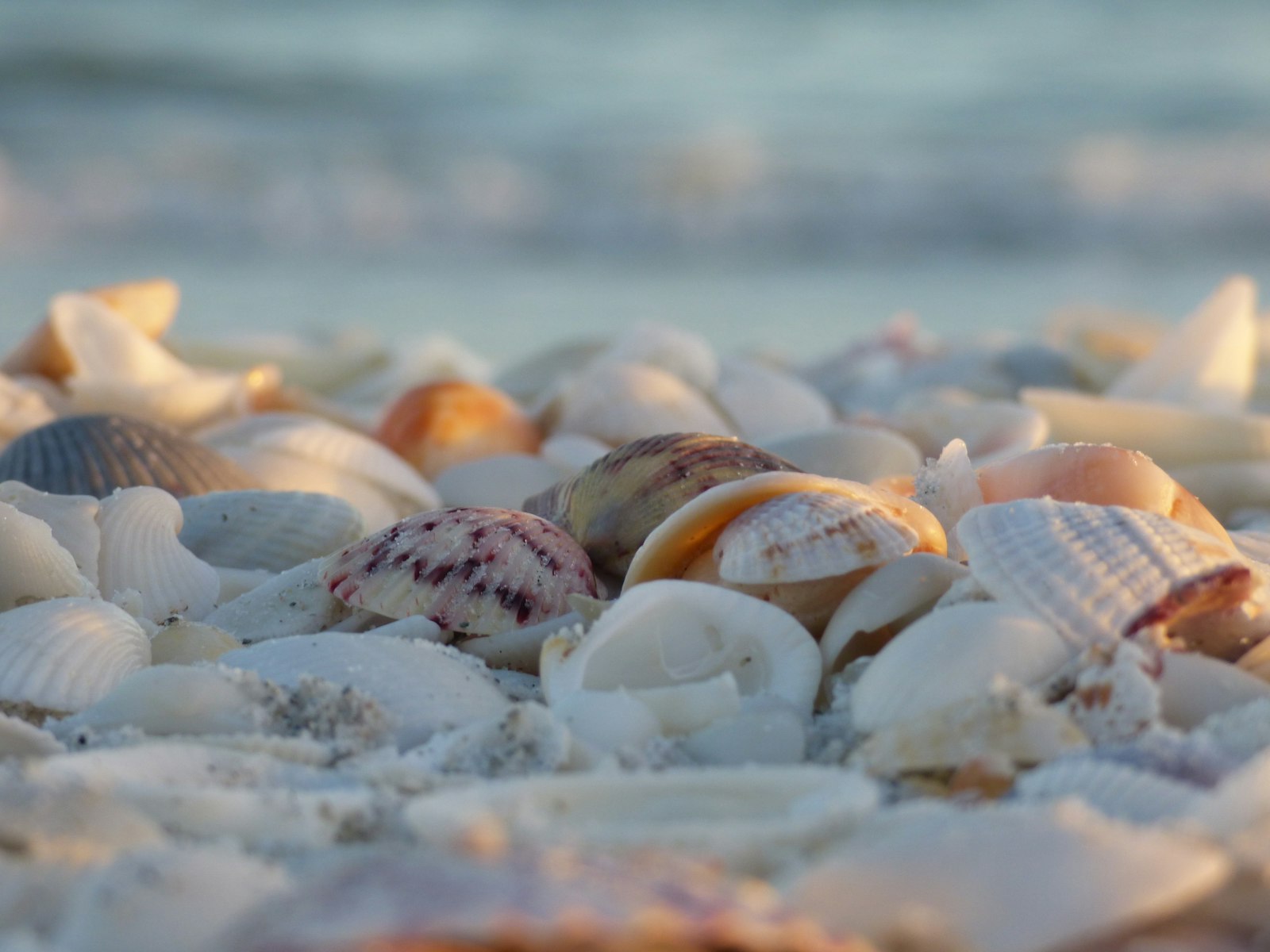
Go if you want the shelling capital of North America and deliberate, low-key calm — no high-rises, no stoplights, no fast food; the Sanibel Stoop at low tide, the 'Ding' Darling refuge at golden hour, and Captiva's west-facing sunset every night.
01 — The Verdict
Go to Sanibel & Captiva. Come for the shelling and the quiet — and know exactly which islands trip is yours before you book a room.
These are the calm barrier islands off Fort Myers, and they don't look like the rest of Florida on purpose. No high-rises. No stoplights. No fast food. Just a low, green ribbon of mangrove and sea grape where the speed limit and the pace are both slow, and bikes outnumber urgency.
The islands curve east-to-west, which means their beaches face south and scoop shells from the Gulf like a net — Sanibel is the shelling capital of North America, and the bent-over hunt at low tide even has a name here: the Sanibel Stoop. Add the "Ding" Darling wildlife refuge at golden hour, and Captiva's west-facing beach turning gold every night, and you have one of those rare places where doing very little is the whole point.
But the same two islands hold different trips. A slow, unhurried couple's week. A shell-and-wildlife pilgrimage timed to the tides. A multigen sprawl with grandparents, kids, and a pool nobody will leave. Same sand, completely different vacation.
A Few Fits to Check First:
- Recovery is real, but it's ongoing — and property-specific. These islands took a direct, catastrophic hit from Hurricane Ian in 2022, then more from Helene and Milton in 2024. Most of the islands are back and, in places, better than before — but reopenings are staggered, and a few beloved names didn't make it back to the sand. The single most important thing you'll do is confirm your specific hotel and restaurants are operating for your exact dates. A summer or fall trip also wants travel insurance and a flexible rate.
- It's a bike-and-car island, not a walk-everywhere town. There's no real public transit. You'll drive in from the airport over the causeway, and then bikes become the island's love language — 26+ miles of flat, shaded, separated path. Base near your beach and the refuge; rent bikes for the rest.
- It's low-key by design. No high-rises, no nightlife scene, no big-city dining rooms. If you want glitz and late nights, that's Naples, an hour south — and there's no shame in it. But the calm here is the product, not a compromise.
- The weather season and the shelling season don't quite match. December through April is the marquee stretch — warm, dry, and priciest (February and March are the busiest). But October and November are the sheller's secret: the year's lowest tides pile the shells highest, with fewer people on the sand.
None of that is a reason not to go. It's the reason to decide which islands trip is yours first — so the beach, the base, and the tables all fall into place instead of fighting you.
02 — Choose Your Islands
Start with who's going and what you came for — the base, the beaches, and the days follow from there, not the other way around.
- Quiet Nature Couple. Low-key, unhurried island romance — a Gulf beach at the door, shelling at dawn, a bike ride under sea grape and gumbo-limbo, dinner without a dress code.
- Shelling & Wildlife Enthusiast. The reason Sanibel is world-famous — the "Sanibel Stoop" over 250+ shell species at low tide, sunrise on Bowman's or Blind Pass, and the "Ding" Darling refuge at…
- Low-Key Multigen Family. Space for a group spanning grandparents to kids — suites or condo-style units with kitchens, pools the kids won't leave, easy beach logistics, bikes, and a…
Same sand, same shells — three completely different vacations. Pick yours, then step through the three doors below: what to do, where to stay, and where to eat.
Where to stay in Sanibel & Captiva, FL
Our hotel picks are the verdict — this is just the lay of the land. Every stay on the map with live rates, so you can see what sits near what. Book whichever suits your trip.
Live map by Stay22 · rates from booking partners. We may earn a commission if you book through the map — it never changes which hotels we recommend.
When to Go, When to Book
Best months: December through April for weather; October and November if you're here for the shells. Each window comes with its own rule — and one of them outranks all the others.
December–April — the marquee season. Warm, dry, and sunny (highs in the mid-70s to low-80s, low humidity), with snowbird crowds and the year's highest rates. February and March are the busiest, priciest stretch — book lodging and prime tables well ahead. This is the islands at their best-weather and most-crowded.
October–November — the sheller's secret. The heat breaks, the crowds thin, and rates soften — and the year's lowest tides pile the shells highest, especially after a blow. If shelling is why you're coming, this is the window. (It still carries some hurricane-season risk — see below.)
May — the value sweet spot. Warm, still relatively quiet, softer rates, and just ahead of summer's swelter. A good compromise window.
June–September — cheap for real reasons. The quietest and least expensive stretch, but hot, humid, buggy (no-see-ums at dawn and dusk), and the heart of hurricane season, with near-daily afternoon storms. Book it for the price, not the weather.
The honesty that matters most: this is hurricane country, and recent memory here is vivid. A summer or fall booking wants travel insurance, a flexible rate, and a same-week confirmation that your specific hotel and restaurants are operating. That's not a footnote on these islands — it's the defining decision.
The Real Version — Before You Book
The one-street-over truths — the things we'd want a friend to know before booking.
Rent a car, then live on a bike. You'll fly into Southwest Florida International (RSW, Fort Myers), roughly 40–50 minutes out, ending across the Sanibel Causeway — which is all-electronic tolling now, no cash booths (a standard car runs about $6 by transponder, or a plate-billed rate with a small admin fee). Once you're on-island, bikes do most of the work: 26+ miles of flat, separated path from Lighthouse Beach to the Blind Pass Bridge. Beach-park lots charge for parking and fill early at low-tide shelling windows. (Toll, drive time, and parking rates are drawn from regional sources — confirm current figures before you go.)
Confirm every place is open — the recovery is staggered. The comeback is genuinely remarkable, but it hasn't happened all at once: reopenings are property-specific, a handful of resorts are still rebuilding or phasing amenities back in, one beloved breakfast spot's status is unresolved, and a couple of names people ask for relocated to the mainland rather than returning to the sand. Do a same-week check before you count on any single place — the Where to Stay and Where to Eat pages carry each place's current status.
Empty shells only — it's the law, not a suggestion. Taking live shells (and sand dollars, sea stars, sea urchins) is illegal here, with fines up to $500 or 60 days, and there's no shelling at all in the refuge waters. Bring a mesh bag, hunt the low tide, and take only what's already empty.
Time the tide and the day. The best shelling is at low tide, ideally at dawn or after a storm, and October–November brings the lowest tides of the year. And note two calendar quirks: the refuge's Wildlife Drive is closed every Friday, and as of 2026 a sandbar has temporarily turned Blind Pass into a walkable "land bridge" between the islands (dredging is anticipated in 2027) — the shelling there stays strong, but it's a moving condition worth a quick check near your dates.
FAQ — The 11pm Questions, Answered
Is Sanibel really open again after Hurricane Ian? Yes — remarkably so. The causeway is rebuilt, the beaches and the bike path are back, the refuge is open, and most hotels and restaurants have reopened, some better than before. But recovery is staggered and property-specific — a few places are still rebuilding, and two Sanibel restaurants relocated to the mainland. Confirm your specific hotel and restaurants are operating for your exact dates.
Do I need a car? Effectively yes. There's no real public transit, and the islands spread along Gulf and Periwinkle drives and across the causeway to Captiva. Fly into RSW (Fort Myers), about 40–50 minutes away, then rent a car for arrival and Captiva — and bikes for daily island life.
Where's the best shelling? Bowman's Beach (west end) is the most-cited for the best, wildest shelling; Blind Pass / Turner Beach funnels shells from both sides on the tide; and Lighthouse Beach (east end) is shell-rich and the easiest to reach. Go at low tide, at dawn, or after a storm — and October–November brings the lowest tides. Take empty shells only (live-shelling is illegal).
When's the best time to visit? December–April for the weather (and the highest prices; February–March are busiest). October–November is the sheller's secret — lowest tides, thinner crowds, softer rates. May is a value sweet spot. Summer is cheapest but hot, buggy, and inside hurricane season.
Should I stay on Sanibel or Captiva? Sanibel for the famous shelling beaches, the "Ding" Darling refuge, the lighthouse, and more to do. Captiva for a smaller, lusher, more bohemian island with the head-on west-facing sunsets and the cottage restaurants of Andy Rosse Lane. The causeway and the Blind Pass bridge connect them, so you can base on one and visit the other easily.
What's the deal with "Ding" Darling? It's a 6,400-acre mangrove refuge with a 4-mile one-way Wildlife Drive — roseate spoonbills, wading birds, and gators, best at low tide and golden hour. It's about $10 per car (a dollar for hikers and bikers), the visitor center is free, and the Drive is closed every Friday. Biking it is the best way in.
Is it walkable? No — it's a bike-and-car destination, not a walk-everywhere town. The exception is Captiva's Andy Rosse Lane village, which is walkable. Base near your beach and the refuge, and rent bikes for the rest.
How many days do I need? Three to four is the sweet spot: a shelling-and-beach day, a "Ding" Darling and bike day, and a Captiva sunset evening — with room to do very little in between, which is rather the point.
Is it expensive? It's a mid-to-upper coastal market — pricier than the Florida average, softer than Naples' luxury tier — and the islands skew to condo and cottage rentals and mid-size resorts over five-star hotels. Post-storm pricing is still settling, so treat every price here as a band and re-check live rates before you book.
Basis: Sanibel & Captiva firsthand — we've been to the islands. The hotels and restaurants are research-informed (we haven't stayed or eaten at each), and upgrade to firsthand the day we do. Because of the 2022–2024 storms, recovery here is staggered and property-specific — confirm your specific places are operating for your exact dates. Prices are bands, re-checked before you'd act. Last verified 2026-08-21. We never rank by commission. (Lodging and dining basis notes live on the Where to Stay and Where to Eat pages.)
Make Sanibel & Captiva yours
Save this decision to your Travel Home — your trips, your picks, and everything you’re planning in one place. We’ll keep it current as prices and seasons move.