Decision Guide
Zion vs Moab
Which Utah red-rock adventure base is right for you?
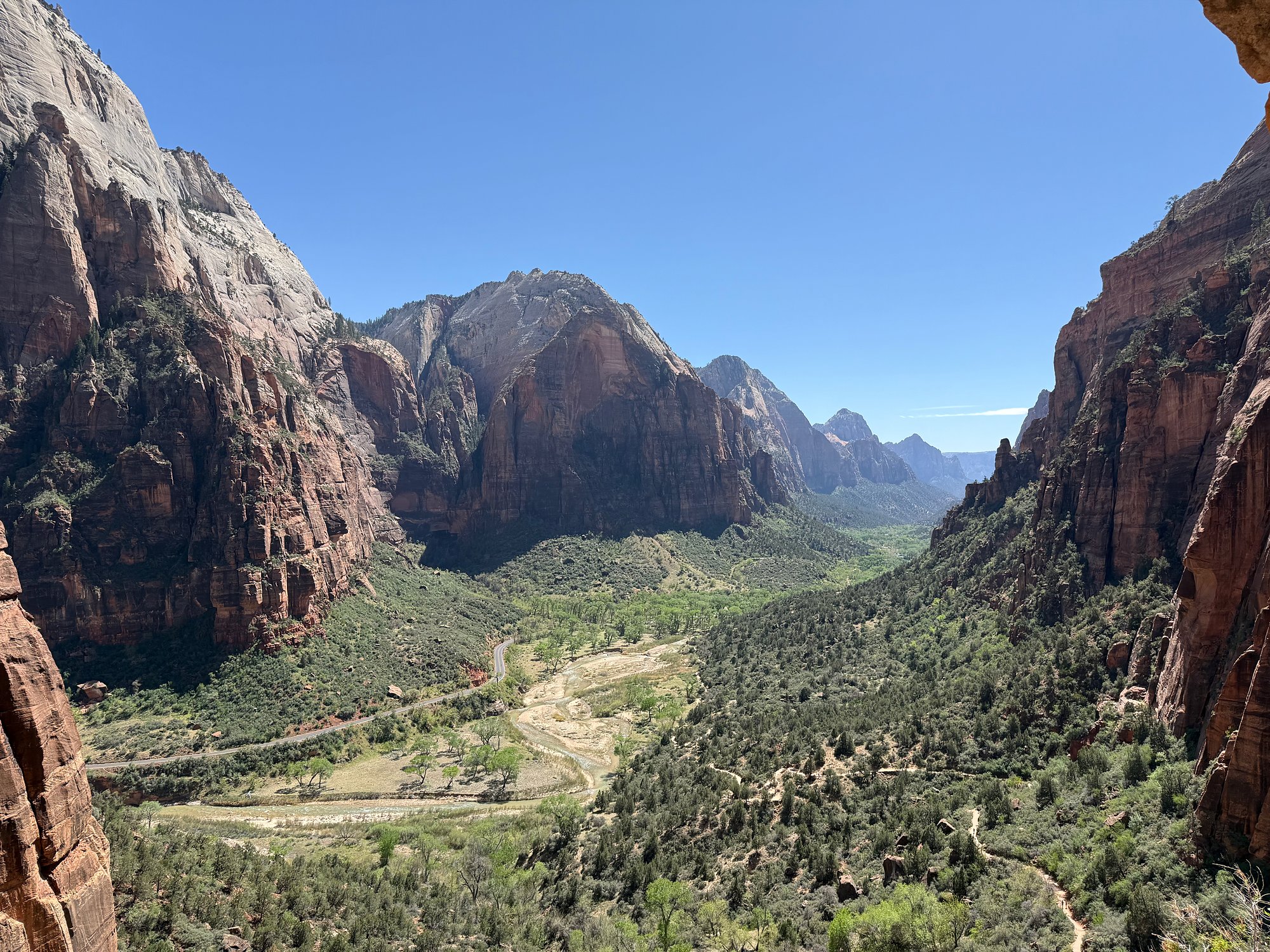
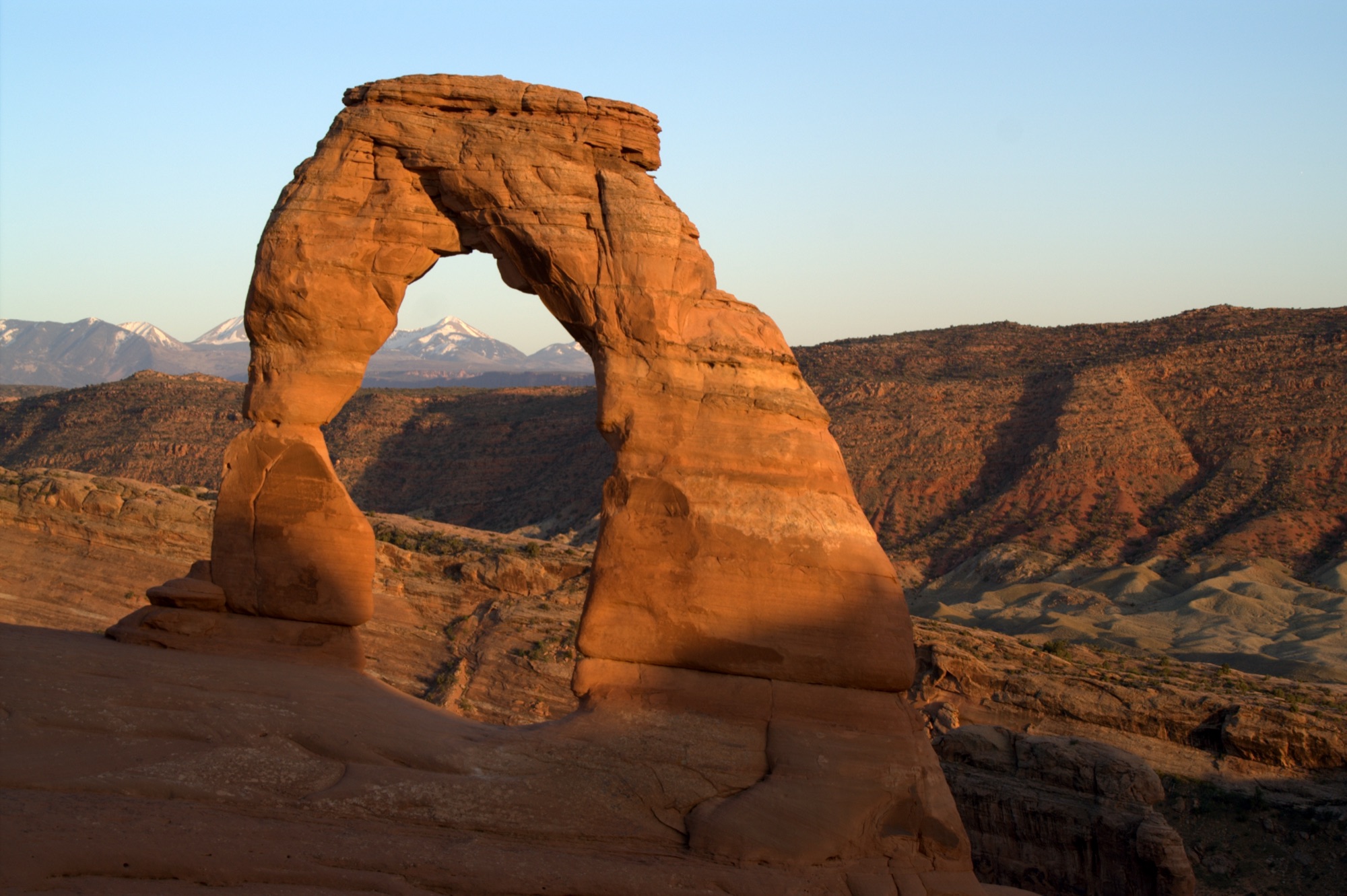
| Zion National Park | Moab | |
|---|---|---|
| Cost | One park — $35 per vehicle for a 7-day pass (or the $80 America the Beautiful pass); lodging is the pricey Springdale gateway (value chains up to riverfront resorts) plus the in-park Zion Lodge | Two parks — Arches and Canyonlands are $30 per vehicle each (the $80 America the Beautiful pass covers both), and Dead Horse Point State Park is a separate $20; guided rafting, 4x4, and bike shuttles are the real budget line |
| Scenery | One overwhelming canyon — you stand down inside it, with Navajo-sandstone walls rising as much as 2,000–3,000 feet off the floor, the Virgin River, and hanging gardens; concentrated and vertical | Red-rock variety from one base — Arches' 2,000+ stone arches (Delicate Arch), Canyonlands' Mesa Arch at sunrise and Grand View Point, and Dead Horse Point's 2,000-foot gooseneck overlook; expansive and spread out |
| Adventure menu | Hiking-centric, with a hike for every level — the Narrows up the river, Angels Landing's chained spine (permit by lottery), the Emerald Pools, the Riverside Walk, plus the quiet Kolob districts | The broadest menu in Utah red rock — hiking the arches, world-class mountain biking (the Slickrock Trail), 4x4 Jeep trails (Hell's Revenge), Colorado River rafting, canyoneering, and dark-sky stargazing |
| Getting around | The main canyon is CAR-FREE in season — a mandatory free shuttle is the only way up the Scenic Drive (park early, ride) — and Springdale has its own free town shuttle, so you can go largely car-free; the marquee hikes are logistics-gated (Angels Landing permit lottery; the Narrows is flash-flood-governed) | Drive-everywhere — a car is essential; the two parks, the overlooks, the trailheads, and the river are all a drive, and only Main Street is walkable (a 4x4 rental is its own category for the Jeep trails) |
| Season & heat | Busy in season (the car-free shuttle concentrates the crowd); the canyon floor sits ~4,000 ft and summer often tops 100°F, with monsoon flash-flood risk mid-July–September | Spring (April–May, plus Easter Jeep Safari) is the busiest; summer is brutally hot — 100°F+ with almost no shade, a dawn-and-dusk trip — and fall is the mellow sweet spot |
| Access | Las Vegas (LAS) is ~2.5–3 hours (the biggest airport, most flights) and St. George (SGU) is ~1 hour (closest regional); Salt Lake City is ~4.5 hours | Grand Junction, Colorado (GJT) is ~1.75–2 hours and Salt Lake City is ~3.5–4 hours; Canyonlands Regional (CNY) has limited service — more remote from a major hub |
The verdict
Choose Zion for one overwhelming canyon and a hike-first trip with the logistics handled by a car-free shuttle; choose Moab for red-rock variety and the widest adventure menu from a single basecamp — two national parks plus mountain biking, 4x4, and river days. Zion is the deeper single canyon: dramatic, vertical, and — once you learn the shuttle-and-permit system — easy to get into and largely car-free. Moab is the bigger spread: Arches and Canyonlands plus a wall of biking, wheeling, and rafting, if you don't mind driving to everything and planning hard around the heat. Depth in one place, or range across many.
Choose Zion National Park if…
- First-time red-rock travelers who want one jaw-dropping canyon
- Hikers — the Narrows in the river, Angels Landing if you win the permit, the big rim climbs
- Anyone who'd rather park-and-ride than drive all day
- Couples and families who want awe with the logistics mostly handled
Choose Moab if…
- Adventurers who want variety — mountain biking, 4x4, and rafting alongside two national parks
- Travelers after the red-rock greatest hits (Delicate Arch, Mesa Arch, Dead Horse Point) from one base
- Those fine with driving everywhere and starting at dawn to beat the heat
- Dark-sky stargazers
Common questions
Zion National Park or Moab — Which Utah red-rock adventure base is right for you?
Choose Zion for one overwhelming canyon and a hike-first trip with the logistics handled by a car-free shuttle; choose Moab for red-rock variety and the widest adventure menu from a single basecamp — two national parks plus mountain biking, 4x4, and river days. Zion is the deeper single canyon: dramatic, vertical, and — once you learn the shuttle-and-permit system — easy to get into and largely car-free. Moab is the bigger spread: Arches and Canyonlands plus a wall of biking, wheeling, and rafting, if you don't mind driving to everything and planning hard around the heat.
Should I choose Zion National Park?
Choose Zion National Park if: First-time red-rock travelers who want one jaw-dropping canyon; Hikers — the Narrows in the river, Angels Landing if you win the permit, the big rim climbs; Anyone who'd rather park-and-ride than drive all day; Couples and families who want awe with the logistics mostly handled.
Should I choose Moab?
Choose Moab if: Adventurers who want variety — mountain biking, 4x4, and rafting alongside two national parks; Travelers after the red-rock greatest hits (Delicate Arch, Mesa Arch, Dead Horse Point) from one base; Those fine with driving everywhere and starting at dawn to beat the heat; Dark-sky stargazers.
Basis research · last verified Thu Sep 17 2026 00:00:00 GMT+0000 (Coordinated Universal Time). Editorial is decided before monetization; we never rank by commission.